
Winter Weather Preparedness: Gear Up for the Cold

As winter blankets the landscape in snow and ice, it’s essential to prepare for the unique challenges that come with the season. At Chinook Medical Gear, we know that being ready for winter isn’t just about having the right gear; it’s about understanding the risks and knowing how to respond. Let’s explore the importance of winter weather preparedness, focusing on hypothermia supplies and high-altitude gear, along with two remarkable survival stories from recent winter travels.

The Perils of Cold Weather

Winter can be a beautiful season, but it also brings significant hazards. From snowstorms to icy roads, cold weather can quickly turn an enjoyable outing into a dangerous situation. One of the most serious risks is hypothermia, which occurs when the body loses heat faster than it can produce it. Knowing how to prevent and respond to hypothermia is crucial for anyone spending time outdoors.

Hypothermia Supplies You Need

To effectively combat the risk of hypothermia, ensure your emergency kit is stocked with the following essential supplies:

  1. Emergency Thermal Blankets and Caps
    These lightweight, reflective blankets and caps are designed to retain body heat and can be lifesavers in a cold-weather emergency.
  2. Hydration Supplies
    Staying hydrated is essential, even in winter. Include a portable water purification system or hydration packs in your gear.
  3. Hand and Foot Warmers
    Disposable or reusable warmers can provide immediate warmth for your extremities, helping to prevent frostbite and keep you comfortable.
  4. Insulated Clothing
    Always pack extra thermal layers, including socks, gloves, and hats. Keeping dry and warm is key to preventing heat loss.
  5. First Aid Supplies
    Include sterile dressings, antiseptic wipes, and frostbite treatment supplies in your kit, so you’re ready to address injuries that might occur in cold conditions.

Lost Snowboarders

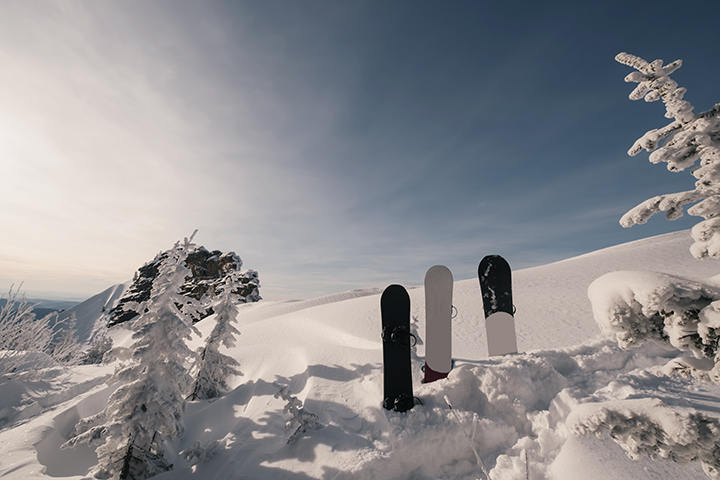
Earlier this year, a group of three snowboarders decided to hit the slopes on a particularly snowy day. What started as an exciting adventure quickly turned perilous when a sudden snowstorm rolled in, obscuring visibility and making it difficult to find their way back to safety. Stranded in a remote area, they faced the risk of hypothermia as temperatures plummeted. Fortunately, the group was prepared. They had packed emergency thermal blankets and hand warmers in their gear. They huddled together, using the blankets to conserve heat while rationing their snacks. After several hours of waiting and monitoring their surroundings, they were able to signal a passing ski patrol, leading to their safe rescue.
High-Altitude Preparedness

For those adventuring into mountainous regions, winter brings additional challenges at high altitudes. As you ascend, temperatures drop, and the air becomes thinner, increasing the risk of altitude sickness. Here’s how to prepare:

Essential High-Altitude Gear

  1. Altitude-Compatible Clothing
    Invest in moisture-wicking base layers, insulating mid-layers, and windproof outer layers to stay warm and dry.
  2. Supplemental Oxygen
    If you’re planning to climb to elevations above 8,000 feet, consider carrying supplemental oxygen to counteract the reduced oxygen levels.
  3. Emergency Shelter
    Lightweight bivy bags or portable shelters can protect you from the elements if you find yourself in distress.
  4. Multi-Tool
    A multi-tool or knife is invaluable for various tasks, from preparing food to making repairs.

The Family Ski Trip

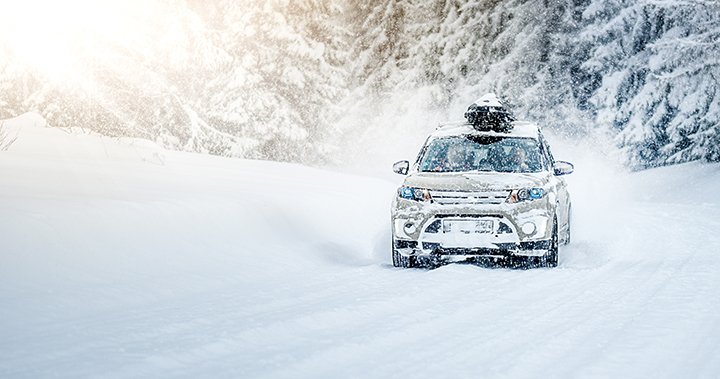
In another remarkable incident, a family of four set out for a winter ski trip through a mountain pass. Midway through their journey, their car broke down in sub-zero temperatures, leaving them stranded as a snowstorm began to swirl around them. With limited visibility and no cell service, they had to rely on their preparedness to survive. The family had brought an emergency first aid kit, complete with thermal blankets, hand warmers, and extra clothing. They utilized the blankets to stay warm while activating their emergency flares to signal for help. After a few tense hours, a fellow traveler noticed their flares and stopped to assist, ultimately leading them to safety.
When traveling in winter weather, it’s crucial to be well-prepared to ensure your safety and comfort. Here’s a comprehensive check list of essential winter travel supplies to keep in your car or truck:

Essential Winter Travel Supplies

  1. Emergency Kit:
  2. Warmth and Shelter:
  3. Food and Hydration:
  4. Vehicle Supplies:
    • Ice scraper and snow brush
    • Jumper cables
    • Tow strap or rope
    • Tire chains (if applicable)
    • Portable air compressor
  5. Navigation and Communication:
    • Road maps (in case GPS fails)
    • Fully charged phone with a car charger
    • Portable charger or power bank
  6. Safety and Visibility:
    • Reflective emergency triangles or flares
    • Brightly colored cloth or flag (to signal for help)
    • Extra set of glasses or contacts (if needed)
  7. Tools and Maintenance:
    • Basic tool kit (screwdriver, pliers, wrenches)
    • Duct tape (for temporary repairs)
    • Engine oil and coolant (check levels before traveling)
  8. Miscellaneous:
    • Blankets or sleeping bags
    • Trash bags (for waste and to keep things organized)
    • Small shovel (for digging out of snow)
    • Personal hygiene items (toothbrush, wipes)

Tips for Using Your Supplies

  • Regular Checks: Periodically check your supplies to ensure everything is in good condition and not expired.
  • Pack Smart: Organize items in a way that allows for quick access in emergencies.
  • Stay Informed: Keep an eye on weather forecasts and road conditions before your trip.

By packing these supplies, you’ll be better prepared for the challenges of winter travel, ensuring your safety and comfort on the road. Stay warm and drive safely!

Conclusion

Winter can be unpredictable, but preparedness is your best defense against the elements. By stocking your emergency kit with essential hypothermia supplies, survival gear supplies and high-altitude gear, you can face the cold with confidence.

At Chinook Medical Gear, we’re committed to ensuring you have the knowledge and tools necessary to navigate winter’s challenges. Embrace the beauty of the season, but remember: preparation is key to enjoying every moment safely. Stay warm, stay safe, and get out there!

Hypothermia Supplies for First Responders and Public Safety Professionals

Hypothermia Supplies for First Responders and Public Safety Professionals

For First Responders, Law Enforcement, Firefighters, EMS, and Highway Patrol, cold exposure is not optional, it’s part of the mission. Extended scenes, traffic control, patient care, extrication, and rural responses increase hypothermia risk for both patients and responders. Field-ready hypothermia mitigation supplies should be compact, fast to deploy, and effective under stress.

Responder-Grade Hypothermia Supplies

1. Hypothermia Wraps / Active Warming Systems
Multi-layer hypothermia wraps with vapor barriers and insulating cores are critical for trauma patients, prolonged extrications, and mass-casualty incidents. These systems reduce heat loss from wind, ground contact, and evaporation.

Ready-Heat II Disposable Heated Blanket, 34″x48″ | Chinook Medical Gear

Hypothermia Management Kit (TMM-HMK) | Chinook Medical Gear

Chinook Medical – Emergency Blanket | Chinook Medical Gear

HAWK Hypothermia Management Set | Chinook Medical Gear

2. Emergency Thermal Blankets (Mylar or Reinforced)
Lightweight and packable, thermal blankets provide rapid heat retention for patients, evacuees, and fellow responders during long-duration calls or scene security.

Blizzard Compact Blanket – Orange | Chinook Medical Gear

Ready-Heat Disposable Heated Blanket, 34″x48″ | Chinook Medical Gear

Blizzard EMS Blanket | Chinook Medical Gear

Blizzard Survival Blanket | Chinook Medical Gear

3. Warming Caps and Head Covers
Up to 30% of body heat can be lost through the head. Insulated caps are an often-overlooked but highly effective addition for patient care and responder recovery.

Thermoflect Adult Hypothermia Cap | Chinook Medical Gear

4. Chemical Heat Packs (Hand, Foot, Torso)
Disposable heat packs provide targeted warming for extremities and core areas. These are especially useful during prolonged roadside incidents or when gloves must be removed for patient care.

5. Insulated Ground Barriers
Closed-cell foam pads or insulated casualty mats prevent conductive heat loss when patients are treated on snow, frozen ground, or asphalt.

6. IV Fluid Warming Solutions
Cold IV fluids accelerate hypothermia. Insulated IV sleeves or fluid warmers help maintain patient core temperature during extended transport or cold-weather operations.

7. Drying and Insulation Materials
Extra dry blankets, absorbent towels, or moisture-wicking coverings allow responders to remove wet clothing and reduce evaporative heat loss quickly.

8. Cold-Weather Trauma Kits
Responder kits should include hypothermia prevention components alongside hemorrhage control, airway, and circulation tools—because trauma and hypothermia often coexist.

Hypothermia Management Kit (TMM-HMK) | Chinook Medical Gear

Hypothermia is a serious and often overlooked threat during emergency response operations in cold, wet, or windy conditions. For First Responders, Law Enforcement, Firefighters, EMS, and Highway Patrol, cold exposure increases risk during traffic accidents, rural rescues, prolonged extrications, and extended patient care scenes. Managing hypothermia early improves patient outcomes and protects responder performance.

Responder-grade hypothermia supplies should be compact, easy to deploy, and proven to work in high stress environments. Chinook Medical Gear provides hypothermia prevention and warming solutions trusted by emergency responders across the United States, including active warming blankets, thermal emergency blankets, hypothermia management kits, chemical heat packs, insulated ground barriers, and IV fluid warming systems.

Departments and agencies should regularly review their trauma kits, vehicles, and medical bags to ensure cold weather preparedness is built into every response. Hypothermia prevention equipment belongs alongside hemorrhage control, airway management, and circulation tools because trauma and cold exposure frequently occur together.

Explore Chinook Medical Gear hypothermia supplies and cold weather medical equipment to help keep patients and responders protected during winter operations, rural calls, and extended scenes in any environment.

Leave a comment below and let us know what tools, equipment, or techniques you rely on during cold weather conditions to keep yourself, your team, and the public warm and protected.

11 thoughts on “Winter Weather Preparedness: Gear Up for the Cold”

  1. Wise advice. Many people procrastinate doing these essential life saving activities. Do it now … while you’re thinking about. It could very well save your life or the life of a loved one. Stay safe.

  2. Great article about the little things that are overlooked. People also forget that even though it is cold out you can also sweat and loose water. I remember one time on a 20k ruck this private wore his waffle suit in 35° and quickly regret it and brought no water. Needless to say, the medics had to come pick him up. Also, thanks for the little packing list, this is great for novice and experienced personal.

    -SaberZeroGolf

  3. Great article. Can you elaborate on carrying supplemental oxygen above 8000 ft? It’s my understanding that a layperson cannot purchase oxygen. Would you recommend the oxygen canisters? I’ve always felt they were a bit of a placebo. -Thanks.

    1. While there is no substitute for proper acclimatization to altitude, supplemental O2 can provide benefits to those who are not acclimatized or who suffer from underlying health conditions, even at 8000 feet.
      Portable oxygen systems, such as those used in by mountaineers and pilots flying at higher altitudes, can be purchased prefilled and shipped to your door, or filled at home using transfilling equipment and a O2 supply tank, purchased from your local gas supply company. Send me an email if you need assistance getting O2 supplies. (rowdy@chinookmed.com)

      The amount of oxygen that is contained in recreational oxygen canisters offers less oxygen than traditional high altitude climbing systems, and are not feasible for sustained use (1-5 lpm).
      The recreational canisters are best used to treat mild symptoms of altitude sickness like headaches and fatigue. They aren’t a placebo, but even without drastic effects they are still beneficial.

  4. Greetings from Florida! I’m bored to death at work
    so I decided to check out your site on my iphone during
    lunch break. I love the knowledge you provide here
    and can’t wait to take a look when I get home. I’m surprised at how fast your blog loaded on my
    cell phone .. I’m not even using WIFI, just 3G .. Anyways, very good site!

  5. Howdy! Someone in my Myspace group shared this website with us so I
    came to check it out. I’m definitely loving the information. I’m book-marking and will be tweeting this to my followers!
    Wonderful blog and fantastic design and
    style.

    Also visit my blog post: slot olympus

  6. Two things, vehicle stranding, make your vehicle as obvious as possible, from military conspicuity panel on the roof to leds affixed to the outside of the vehicle. Also, an aircraft radio in case you see a plane. And a Greatland green laser.
    Sleeping bag (for each occupant) in your vehicle is you cocoon as you eat (90% no cook food, any amount of water is finite) and hydrate (start with a full thermos of hot sweet whatever) and a stove that had demonstrably worked within the confines of your vehicle (with the downwind window cracked) it would suck to die from carbon monoxide.

    Traumatic hypothermia, until we get blood in our ambulances (and freeze-dried plasma in our bags) the one leg of the lethal vortex (acidosis/coagulopathy/hypothermia) that we can directly address is hypothermia, and we suck at it. Carry a close cell foam pad, when you roll a patient that is on the ground, place the pad behind them, it cuts off that avenue for heat loss and pads the long board. Fresh air activated hot packs, a wool watch cap, warm IV’s, minimize exposed skin and the heat in the back is on high.

Leave a Reply

Discover more from Chinook Medical Blog

Subscribe now to keep reading and get access to the full archive.

Continue reading