

Preparedness requires more than policy. It requires the right equipment in the right locations.
Student safety is a leadership responsibility.
For public and private K-12 schools, colleges, universities, and trade schools, mass casualty preparedness must include more than written response plans. It must include properly equipped emergency trauma kits capable of controlling severe bleeding and stabilizing multiple casualties until EMS arrives.
As educational institutions finalize budgets in March and April, now is the time to evaluate whether your campus is equipped with professional-grade bleeding control kits and emergency trauma supplies.

Why Mass Casualty Preparedness in Educational Institutions Requires Specialized Trauma Kits
In any serious campus emergency, the first five minutes determine outcomes. During that time, the people already on site respond first:
- School Resource Officers
- Campus police
- Security personnel
- School nurses and health staff
- Athletic trainersFaculty and administrators
Across K-12 schools, public universities, private colleges, and technical trade schools, the leading preventable cause of death in trauma remains uncontrolled bleeding.
Standard first aid kits are not designed for severe hemorrhage control in active threat or multi-casualty incidents.
Effective mass casualty preparedness for schools and universities requires:
- Commercial-grade tourniquets
- Pressure bandages
- Hemostatic gauze
- Chest seals
- Airway management tools
- Personal protective equipment
These supplies must be organized in structured trauma response kits that allow for rapid deployment under stress.
The LIFE™ Kit for Campus Emergency Trauma Response

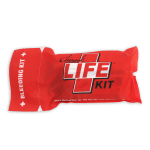
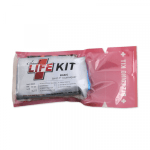
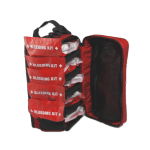
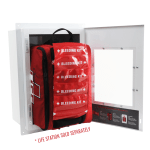
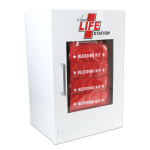
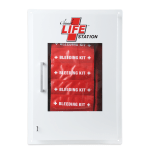
The LIFE™ Kit from Chinook Medical Gear is designed for rapid deployment in high-stress environments, including K-12 schools, public and private colleges, and trade school campuses.
For administrators researching emergency trauma kits for schools and universities, this system provides:
- Organized hemorrhage control equipment
- Immediate access to life-saving supplies
- Logical layout for efficient use
- Equipment trusted by Military, Law
- Enforcement, and EMS professionals
In a campus mass casualty incident, responders cannot waste time identifying supplies. The structure of the kit directly impacts response effectiveness.
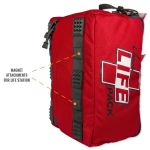
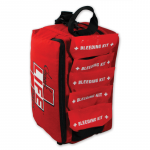
Check out Chinook Medical Gear’s complete line of LIFE (Lifesaving Interventions for Emergencies) Kit…
LIFE Kit Basic
LIFE Kit Intermediate
LIFE Kit Advanced
LIFE Pack Basic
LIFE Pack Intermediate
LIFE Pack Advanced
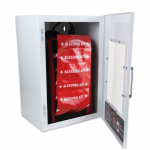
LIFE Station Basic
LIFE Station Intermediate
LIFE Station Advanced
Why Colleges, Universities, and Trade Schools Need
Distributed First Responder Kits

Larger campuses introduce additional response challenges.
- Universities and technical schools may include:
- Residence halls
- Athletic complexes
- Laboratories and workshops
- Student unions
- Lecture halls
- Parking garages
- Event venues
A single centralized trauma bag does not provide adequate coverage.
Distributed first responder trauma kits should be strategically placed across campus to reduce response time and ensure that trained staff and campus police have immediate access to hemorrhage control supplies.
For institutions searching for bleeding control kits for public access facilities, layered placement of trauma equipment is a critical component of preparedness.
Essential Bleeding Control Equipment for Public Access Campuses
K-12 schools, colleges, universities, and trade schools are all public access environments. They host students, staff, parents, contractors, and visitors daily.
At a minimum, educational institutions should maintain:
- Professionally approved tourniquets
- Pressure dressings for severe wounds
- Hemostatic agents
- Chest seals for penetrating trauma
- Gloves and protective barriers
- Emergency blankets to reduce shock
Administrators reviewing school and university safety equipment budgets should ensure these medical supplies are included in procurement planning.
Budget Planning for School and University Safety Equipment

Spring budget approvals determine what safety resources will be available for the upcoming academic year.
If emergency trauma kits and bleeding control equipment are not included during this funding cycle, they may not be approved until the following year.
Budget planning for mass casualty preparedness in schools and higher education institutions should include:
- A campus-wide audit of trauma supplies
- Evaluation of bleeding control kit placement
- Replacement of expired medical equipment
- Allocation for structured emergency trauma kits
- Training for faculty, campus police, and designated responders
Preparedness is not achieved through policy alone. It requires equipment and training.
Campus Police and School Resource Officers Depend on Proper Equipment
School Resource Officers, campus police departments, and institutional security teams are expected to act immediately during a critical incident.
Trauma response kits for School Resource Officers and campus police should include:
- Multiple tourniquets
- Advanced hemorrhage control supplies
- Rapid-access organization
- Compatibility with existing emergency response protocols
Equipping first responders on campus strengthens the institution’s ability to manage a multi-casualty event effectively.
Protecting Students Across All Educational Environments
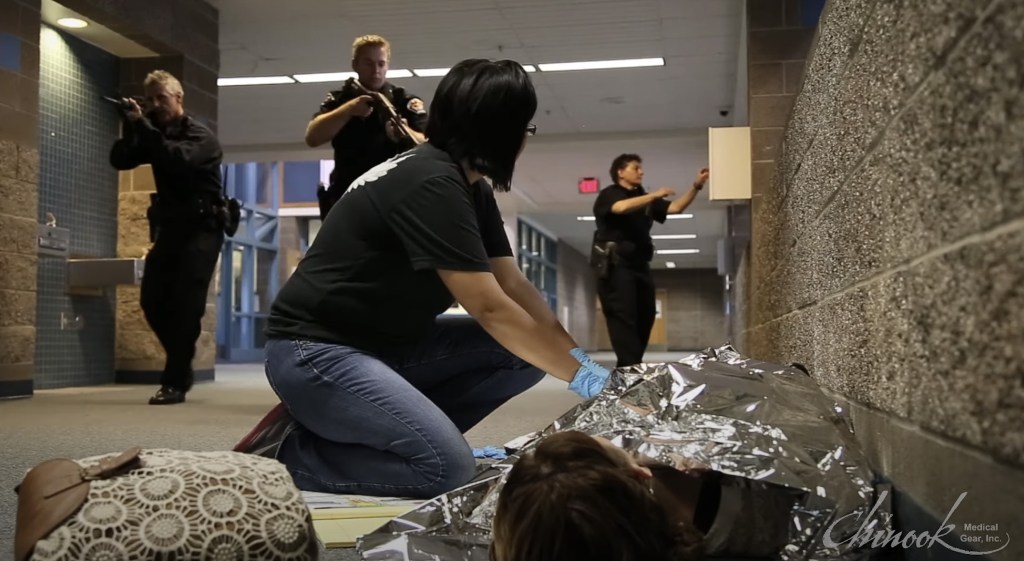
From elementary schools to large public universities and specialized trade schools, the responsibility is the same. Protect students. Protect staff. Prepare for high-impact emergencies.
Chinook Medical Gear provides mass casualty response kits, LIFE™ Kits, first responder trauma kits, and professional-grade medical supplies trusted in operational environments nationwide.
Those same standards apply to educational institutions.
As March and April budget approvals approach, this is the appropriate time to assess whether your campus is equipped to manage a severe trauma event.
Mass casualty preparedness for schools, colleges, universities, and trade schools is not theoretical planning. It is operational readiness supported by the right equipment in the right locations.
Learn more about the Stop the Bleed campaign CLICK HERE
Download Chinook Life Kit Buyer Guide CLICK HERE
Frequently Asked Questions About Mass Casualty Preparedness for Schools, Colleges, and Universities
What is a mass casualty preparedness kit for schools?
A mass casualty preparedness kit for schools is a structured emergency trauma kit designed to manage multiple serious injuries, including severe bleeding, until EMS arrives. These kits contain professional-grade tourniquets, pressure bandages, hemostatic gauze, chest seals, airway supplies, and protective equipment organized for rapid deployment.
Unlike standard first aid kits, mass casualty kits are specifically built for hemorrhage control and high-impact incidents.
Why do K-12 schools and universities need bleeding control kits?
The leading preventable cause of death in trauma is uncontrolled bleeding. In a school, college, or trade school emergency, trained staff, campus police, or School Resource Officers are often the first to respond.
Bleeding control kits provide the tools necessary to stop life-threatening hemorrhage during the first critical minutes of an incident. Without proper equipment, even trained responders are limited in what they can do.
Are mass casualty trauma kits required for public and private schools?
Requirements vary by state and district policy. However, many states now recommend or require bleeding control kits in public access buildings, including schools and higher education facilities.
Even when not mandated, implementing school emergency trauma kits supports duty-of-care standards and strengthens institutional risk management practices.
What should be included in a school or university emergency trauma kit?
A properly equipped trauma kit for schools, colleges, and universities should include:
- Commercial-grade tourniquets
- Pressure dressings
- Hemostatic gauze
- Chest seals
- Gloves and personal protective equipment
- Trauma shears
- Emergency blankets
The LIFE™ Kit from Chinook Medical Gear is designed with these components organized for efficient response in educational environments.
Where should bleeding control kits be placed on campus?
Bleeding control kits and first responder trauma kits should be placed strategically throughout the campus, including:
- Administrative offices
- Security or campus police offices
- Gymnasiums and athletic facilities
- Student unions and lecture halls
- Residence halls
- School buses and transportation hubs
Distributed placement reduces response time and improves access during emergencies.
When should schools and universities budget for emergency trauma kits?
Most public and private educational institutions finalize budgets in March and April. That makes the spring funding cycle the ideal time to allocate resources for mass casualty preparedness equipment.
Delaying procurement until after budgets are approved can postpone implementation for an entire academic year.
Do campus police and School Resource Officers need dedicated trauma kits?
Yes. School Resource Officers and campus police officers should carry dedicated trauma response kits that include multiple tourniquets and advanced hemorrhage control supplies.
Their ability to act immediately depends on having properly organized, rapidly deployable equipment.
How often should school emergency medical supplies be inspected?
Emergency trauma kits and bleeding control supplies should be inspected regularly, typically on a quarterly basis. Supplies should be checked for expiration dates, damage, and proper restocking.
Assigning inspection responsibility to a designated staff member or safety officer ensures accountability.
Help Spread Awareness
If you know a school administrator, campus safety officer, or educator responsible for student safety, please forward this article to them. You can also support the conversation by liking the article and leaving a comment with your thoughts on campus preparedness.